Benefits of a Partial Hospitalization Program (PHP) for Children
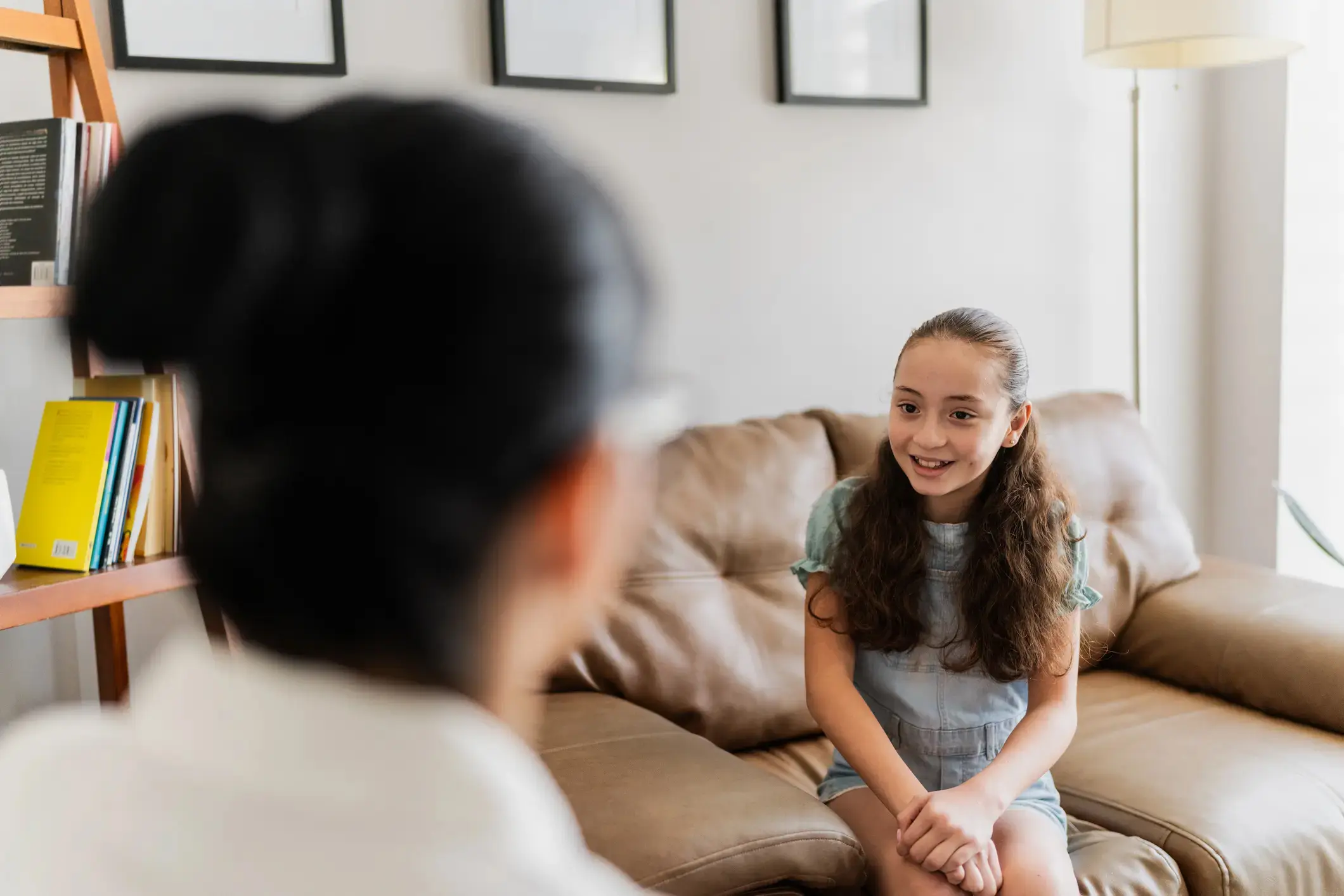
When a child is facing mental health challenges, finding the right treatment can feel overwhelming. Among the various options available, Partial Hospitalization Programs (PHPs) offer a balanced approach that combines intensive care with the flexibility of outpatient treatment. In this article, we’ll explore the benefits of PHPs for children and how these programs can be a crucial part of their recovery journey.
Understanding Partial Hospitalization Programs for Children
A Partial Hospitalization Program, or PHP, is a structured mental health treatment program that operates during the day. It provides intensive care similar to what a child might receive in an inpatient setting but allows them to return home in the evenings. This type of program is particularly beneficial for children who need comprehensive support but do not require 24-hour supervision.
Key features of pediatric PHPs
- Structured environment: PHPs offer a structured schedule that includes therapy sessions, group activities and educational components. This routine helps children develop better coping skills and provides a sense of stability.
- Comprehensive care: These programs include a range of therapeutic services such as individual therapy, group therapy, family counseling and educational support.
- Family Involvement: PHPs often emphasize family involvement, recognizing the role families play in a child’s recovery process. Family therapy sessions are commonly included to support the entire family unit.
How PHPs differ from other treatment options
To understand the unique benefits of PHPs, it’s important to compare them with other treatment options like inpatient care and outpatient therapy.
- Inpatient care vs PHP: Inpatient care requires children to stay at a facility 24/7, which can be necessary for severe cases but may be disruptive to family life and education. PHPs, however, allow children to sleep at home, maintaining family connections and a sense of normalcy.
- Outpatient therapy vs PHP: Outpatient therapy typically involves weekly sessions and is less intensive than PHPs. While suitable for less severe cases, it may not provide the level of support needed for children with more significant mental health challenges.
Benefits of PHPs for Mental Health and Behavioral Health in Children
Here are a few benefits of partial hospitalization programs for children:
Intensive support with flexibility
One of the primary advantages of PHPs is the balance between intensive support and flexibility. Children receive the care they need without the disruption of being away from home. This flexibility can reduce anxiety and stress, making it easier for children to engage in their treatment.
Focus on skill-building
PHPs emphasize teaching children essential life skills and coping mechanisms. Through various therapies and activities, children learn how to manage their emotions, communicate effectively and handle stress and anxiety. These skills are invaluable in helping them face everyday challenges.
Continuity of care
A consistent therapeutic environment helps with continuity of care. This consistent routine helps children feel secure and supports long-term progress. Moreover, PHPs often collaborate with schools and other caregivers to maintain a cohesive approach to the child’s treatment plan.
Support for co-occurring disorders
Children with mental health issues often face co-occurring disorders such as anxiety, depression or behavioral problems. PHPs are equipped to address these complex needs through comprehensive treatment plans tailored to each child.
Family involvement and education
Family involvement is a cornerstone of PHPs, as it strengthens the support system surrounding the child. Parents and guardians receive education about mental health, enabling them to better support their child’s recovery. Family therapy sessions also help improve communication and resolve conflicts within the family unit.
How to Support a Child with Mental Health Issues During PHP
Supporting a child through their PHP journey involves several key steps:
- Stay involved: Attend family therapy sessions and meetings with the treatment team to stay informed about your child’s progress and treatment plan.
- Create a supportive home environment: Make your home a safe and supportive space where your child feels comfortable discussing their feelings and experiences.
- Encourage skill practice: Reinforce the skills and coping mechanisms your child learns in PHP by encouraging them to practice these at home.
- Communicate openly: Maintain open lines of communication with your child and their treatment team.
Outpatient Care for Children in Delaware
Partial Hospitalization Programs for children offer a comprehensive and flexible approach to mental health treatment. By providing intensive support while allowing children to maintain their daily routines, PHPs help children develop the skills they need for long-term recovery.
Dover Behavioral Health System is a treatment center that provides compassionate inpatient and outpatient treatment to help those achieve meaningful mental health and wellness.
Some of our services include our treatment, specialty and outpatient programs. Our main campus is located in Dover, DE. Our secondary location, Georgetown Behavioral Health, is located in Georgetown, DE.
To schedule a consultation with us or for more information, please call 302-746-2992.